Winter Calligraphy: The Art of Elegant Expression in Cold Seasons
Winter calligraphy is a unique and beautiful form of artistic expression that blends the traditional art of calligraphy with the seasonal themes of winter. This practice not only enhances one's appreciation for the written word but also offers a creative way to celebrate the beauty of the season. Whether you're an experienced calligrapher or a beginner, understanding the essence of winter calligraphy can open up new avenues for creativity and self-expression.
What Is Winter Calligraphy?
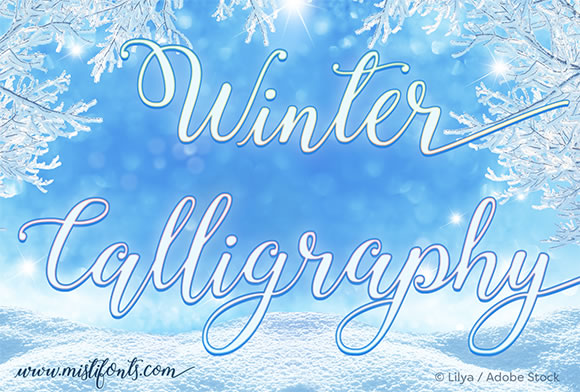
Winter calligraphy refers to the practice of writing in a style that reflects the aesthetics of winter. This can include using specific scripts, colors, and symbols associated with the season. For example, many calligraphers use soft, flowing strokes to mimic the gentle fall of snow or incorporate elements like snowflakes, evergreen trees, and frost patterns into their work.
The purpose of winter calligraphy goes beyond just creating beautiful text. It serves as a means of connecting with the natural world, expressing emotions related to the season, and preserving cultural traditions. In many cultures, calligraphy has long been used to convey messages of hope, renewal, and reflection—themes that are especially relevant during the winter months.
The Significance of Winter Calligraphy
Winter calligraphy holds deep significance in various cultures around the world. In East Asian traditions, for instance, calligraphy is considered a meditative practice that requires patience, focus, and a connection to nature. During winter, this art form becomes even more meaningful as it aligns with the themes of stillness, introspection, and preparation for new beginnings.
In Western cultures, winter calligraphy often appears in holiday cards, invitations, and decorative pieces. The elegance of hand-written text adds a personal touch that modern digital communication sometimes lacks. By choosing to write with a pen rather than a keyboard, individuals can create a sense of authenticity and warmth that resonates with recipients.
How Winter Calligraphy Fits Into Modern Life
Despite the rise of digital tools, winter calligraphy remains relevant in today’s fast-paced world. It offers a refreshing break from technology and encourages mindfulness. Many people find that practicing calligraphy helps them slow down, reflect on their thoughts, and express themselves in a more intentional way.
Moreover, winter calligraphy can be integrated into various aspects of daily life. For example, students might use it to create personalized study notes, while professionals could incorporate it into business cards or client communications. In the realm of education, teaching calligraphy can help children develop fine motor skills, improve concentration, and foster a love for language and art.
Practical Relevance in Work and Business
In the business world, winter calligraphy can be a valuable tool for branding and marketing. Companies that emphasize craftsmanship, tradition, or luxury often use calligraphic designs in their logos, packaging, and promotional materials. A well-crafted handwritten message can make a lasting impression and differentiate a brand from its competitors.
Additionally, calligraphy can be used in event planning, such as designing invitations for winter weddings, holiday parties, or corporate functions. The visual appeal of hand-lettered text can elevate the overall experience and leave a memorable impact on guests.
Exploring Winter Calligraphy in Creativity and Technology
While traditional calligraphy relies on ink and paper, modern technology has introduced new ways to explore this art form. Digital calligraphy tools, such as stylus pens and graphic tablets, allow artists to create intricate designs without the need for physical materials. These tools can be particularly useful for those who want to experiment with different styles or share their work online.
However, it’s important to note that the essence of calligraphy lies in the process itself. Whether using a brush, quill, or digital pen, the key is to maintain a connection between the artist and the medium. This connection fosters a deeper appreciation for the art and ensures that the final product carries a sense of intention and care.
Examples of Winter Calligraphy in Daily Activities
Winter calligraphy can be incorporated into everyday activities in simple yet meaningful ways. For instance, writing a thank-you note by hand instead of sending a text message adds a personal touch that can strengthen relationships. Similarly, creating a winter-themed journal or diary using calligraphic techniques can serve as a creative outlet and a way to document thoughts and experiences.
Another example is using calligraphy to decorate home spaces. Handwritten signs, greeting cards, or even wall art featuring winter motifs can transform a living area into a cozy and inviting environment. These small touches can make a big difference in how people interact with their surroundings.
Common Misconceptions About Winter Calligraphy
One common misconception about winter calligraphy is that it is only for experienced artists. In reality, anyone can learn and enjoy this art form with practice and patience. There are numerous resources available, including online tutorials, workshops, and community groups, that cater to beginners and provide guidance on developing their skills.
Another misunderstanding is that winter calligraphy is purely aesthetic and lacks practical value. However, as discussed earlier, it has real-world applications in education, business, and personal development. By embracing this art form, individuals can enhance their creativity, improve their communication skills, and gain a deeper appreciation for the written word.
Building a Broader Understanding of Winter Calligraphy
To fully appreciate winter calligraphy, it’s essential to understand its historical roots and cultural context. Many ancient civilizations, such as the Chinese, Japanese, and Persian cultures, have rich traditions of calligraphy that continue to influence modern practices. Learning about these traditions can provide valuable insights into the evolution of the art and its ongoing relevance.
Furthermore, exploring different calligraphic styles can expand one’s understanding of the craft. For example, the elegant curves of Arabic script, the structured forms of Latin calligraphy, and the fluid lines of Chinese brushwork each offer unique perspectives on the art of writing. By experimenting with various styles, individuals can discover what resonates with them and develop their own artistic voice.
Conclusion
Winter calligraphy is more than just a seasonal activity—it is a meaningful and expressive art form that connects people to the beauty of the written word and the changing seasons. Whether practiced for personal enjoyment, professional purposes, or cultural appreciation, it offers a unique way to engage with language, creativity, and tradition. By embracing winter calligraphy, individuals can cultivate a deeper sense of mindfulness, creativity, and connection to the world around them.