Retro Free: A New Wave in Digital Creativity
In an era defined by rapid technological advancement and constant innovation, the concept of Retro Free is gaining traction as a refreshing counterbalance. Retro Free isn't about rejecting modernity—it's about embracing the past to inform the future. This approach resonates with a growing number of professionals, creators, and entrepreneurs who are seeking authenticity, simplicity, and a deeper connection to their work.
At its core, Retro Free represents a movement that values the aesthetics, principles, and practices of earlier design and technology eras. From the clean lines of mid-century modern design to the analog charm of film photography, this philosophy encourages a mindful re-evaluation of what we consider "modern." It's not nostalgia for nostalgia's sake; it's a deliberate choice to prioritize intentionality and quality over speed and convenience.
The Rise of Retro Free in a Digital Age
As digital tools become more complex and omnipresent, many users are beginning to feel overwhelmed. The constant influx of notifications, the pressure to be always available, and the noise of endless content creation have led to a quiet but significant shift in user behavior. People are starting to seek out experiences that feel more grounded, human, and meaningful.
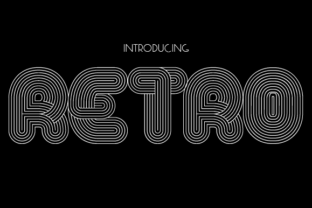
This shift is reflected in the increasing popularity of retro-inspired products and services. From vintage-style typewriters to handcrafted notebooks, there's a growing demand for items that evoke a sense of timelessness. In the digital realm, this trend manifests in the use of retro fonts, pixel art, and even the revival of older software interfaces. These elements aren't just aesthetic choices—they're responses to a broader cultural desire for simplicity and clarity.
Retro Free and Modern Workflows
For professionals and entrepreneurs, Retro Free offers a unique opportunity to streamline workflows without sacrificing creativity. By incorporating elements from the past, individuals can create systems that are both efficient and inspiring. For example, some writers use typewriter-style apps to reduce distractions and focus on the act of writing itself. Others adopt minimalist design principles to enhance productivity and reduce cognitive overload.
Businesses are also beginning to recognize the value of Retro Free. Companies that embrace a retro aesthetic often stand out in crowded markets, creating a distinct brand identity that resonates with customers. This is particularly true in industries where authenticity and craftsmanship are highly valued, such as fashion, food, and artisanal goods. By leveraging the emotional appeal of the past, brands can build stronger connections with their audiences.
Practical Implications for Creators and Professionals
For creators, Retro Free provides a framework for developing a unique voice and style. By drawing inspiration from earlier eras, artists, designers, and writers can differentiate themselves in a saturated market. This doesn't mean abandoning modern tools or techniques—it means using them with greater purpose and intention. A designer might combine traditional hand-drawn illustrations with digital editing, while a musician could blend analog recording methods with modern production software.
Professionals in fields like marketing and content creation can also benefit from adopting a Retro Free mindset. By understanding the principles that guided earlier communication strategies—such as storytelling, simplicity, and directness—professionals can craft messages that are more engaging and effective. This approach is especially valuable in an age where attention spans are short and competition is fierce.
Changing Habits and User Expectations
User expectations are evolving in response to the increasing complexity of digital environments. Many people now prefer platforms and tools that are intuitive, uncluttered, and easy to use. This shift aligns with the principles of Retro Free, which emphasizes clarity, functionality, and user-centric design. As a result, there's a growing demand for digital experiences that feel more organic and less overwhelming.
One example of this trend is the rise of "slow tech" movements, which advocate for the use of technology in a way that supports well-being rather than detracts from it. Retro Free fits naturally into this space, offering a way to engage with technology that feels more balanced and sustainable. By focusing on the essentials and avoiding unnecessary features, users can reclaim control over their digital lives.
Retro Free in Creative Practices
Creative professionals are increasingly turning to Retro Free as a source of inspiration and innovation. In graphic design, for instance, the use of retro color palettes, typography, and layout styles has become a popular way to create visually striking work. This trend is not limited to visual arts—music, literature, and even architecture are seeing a resurgence of classic influences.
For educators and lifelong learners, Retro Free can also be a powerful tool for teaching and learning. By studying historical examples and methodologies, students can gain a deeper understanding of their field and develop critical thinking skills. This approach encourages a more holistic view of knowledge, where the past is seen as a valuable resource rather than a relic of bygone days.
Why Retro Free Matters Now
The relevance of Retro Free today stems from a combination of factors, including the need for authenticity, the desire for simplicity, and the search for meaning in a fast-paced world. As people become more aware of the impact of their choices on their mental health and well-being, they are looking for ways to create balance and harmony in their lives.
This is where Retro Free comes in. By encouraging a thoughtful engagement with the past, it offers a way to navigate the present with greater clarity and purpose. Whether through design, technology, or lifestyle choices, Retro Free provides a framework for making decisions that align with personal values and long-term goals.
Realistic Examples and Recommendations
For those interested in exploring Retro Free, there are several practical steps to take. Start by identifying areas of your life or work where you can incorporate elements from the past. This might involve switching to a simpler digital tool, adopting a minimalist design approach, or experimenting with analog techniques. The key is to focus on what adds value and meaning, rather than what is trendy or convenient.
Additionally, staying informed about the evolution of Retro Free can help you make more informed decisions. Follow thought leaders, read articles, and engage with communities that share your interests. By doing so, you can stay connected to the broader conversation and discover new ways to apply Retro Free principles in your own context.