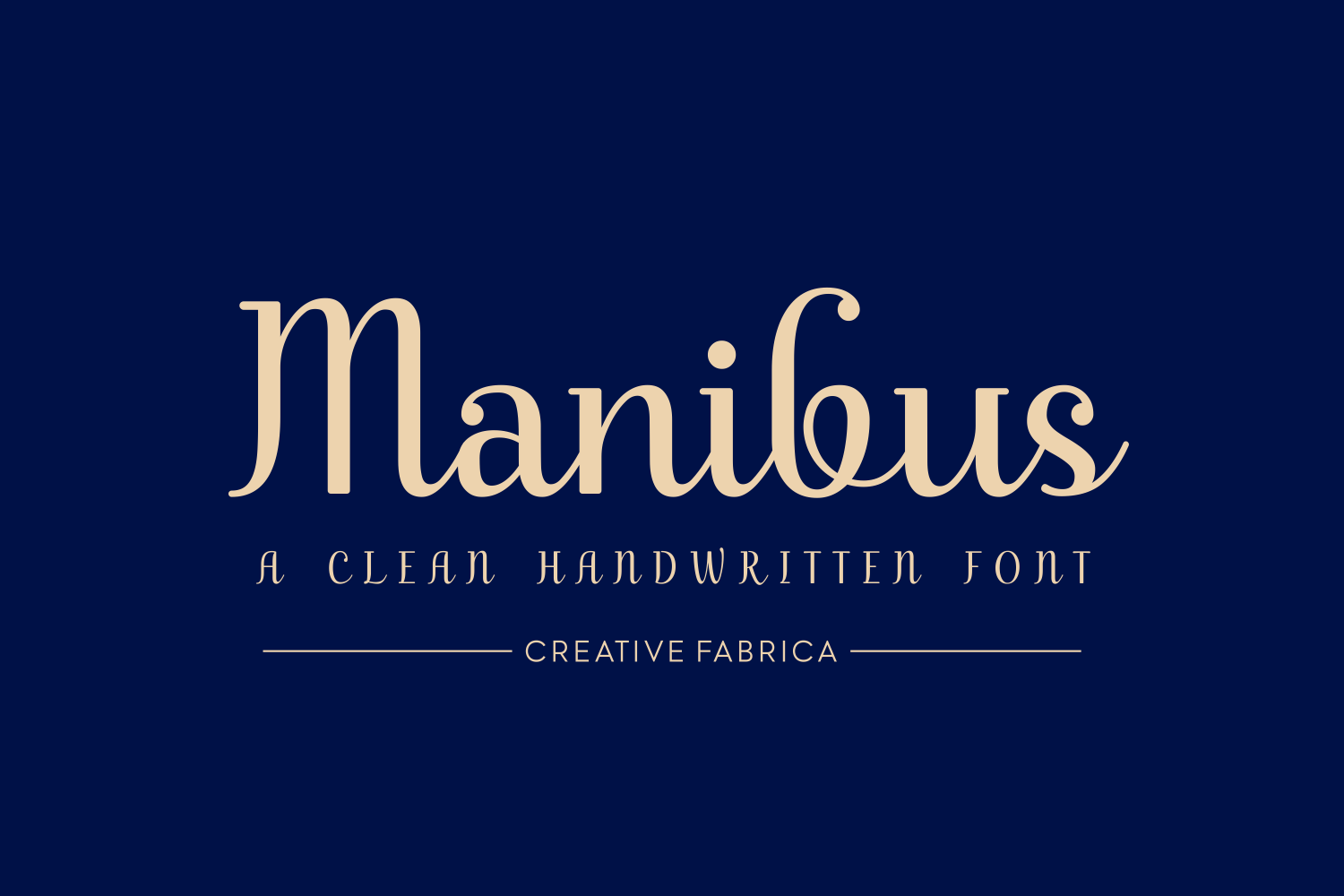
Manibus in Modern Design
Imagine a design asset that feels both timeless and refreshingly current—something that elevates every project it touches without screaming for attention. That is precisely the role Manibus plays in contemporary graphic design. Whether you are refining a brand identity, building a website, or crafting social media visuals, this versatile resource offers a foundation rooted in clarity, texture, and subtle sophistication. It is not just another tool in the creative stack; it is a thoughtful approach to visual storytelling that prioritizes purpose over decoration.
What Manibus Brings to Visual Communication
At its core, Manibus is designed to help creatives establish a strong visual hierarchy while maintaining a human touch. In a landscape crowded with fleeting trends, it provides a grounded aesthetic that works across mediums. For graphic designers, this means less time chasing fads and more time focusing on what matters: clear communication, emotional resonance, and functional beauty. When you incorporate Manibus into your workflow, you are choosing assets that support readability, scale gracefully, and adapt to both digital and print environments.
Practical Applications Across Design Disciplines
The strength of Manibus lies in its flexibility. It is not a one-size-fits-all solution but a modular system that fits naturally into diverse creative projects. Here is how different fields can leverage it:
- Branding and Logo Design: Use Manibus to create consistent visual languages that reinforce brand identity without overwhelming the core message. Its restrained elegance works well for both minimalist logos and more expressive lockups.
- Social Media Graphics and Digital Marketing: In fast-paced feeds, clarity wins. Manibus helps you maintain a professional presentation while keeping your content scannable and engaging.
- Web and UI Design: Scalability and readability are non-negotiable in UX. Manibus performs reliably across screen sizes, supporting intuitive navigation and clean interfaces.
- Editorial and Print Design: From magazines to brochures, the asset’s structured yet warm character enhances editorial layouts and packaging design, making long-form content inviting.
- Advertising Campaigns and Presentations: When you need to command attention without clutter, Manibus provides a polished foundation that lets your copy and imagery shine.
Choosing and Using Design Elements Effectively
Integrating Manibus into a project is not just about selecting a pretty asset. It demands intentional decision-making. Start by evaluating how its proportions, weight, and spacing align with your existing color palette and typography. A cohesive brand identity depends on consistency: if your logo uses a bold, geometric style, pair Manibus with complementary elements that reinforce that direction rather than competing with it.
Consider audience expectations as well. For a fintech startup, you might lean into clean, confident lines that signal trust. For a creative agency, a more expressive pairing could highlight originality. Always test for readability across devices and print formats, and ensure your visual hierarchy guides the eye naturally from headline to body text to call to action. Modern aesthetics are not about maximalism; they are about purposeful restraint.
Enhancing Creative Workflows with Thoughtful Assets
Beyond individual projects, Manibus can streamline your entire design workflow. When you standardize a core set of flexible assets, you reduce decision fatigue and accelerate iteration. This is especially valuable for teams handling multiple creative assets across campaigns, merchandise, or digital products. Instead of reinventing the wheel for each deliverable, you build a system that evolves with your brand.
From packaging design to presentation decks, the same principles apply: choose elements that respect the medium, amplify the message, and leave room for the content to breathe. The best designs are often the ones you barely notice because they feel inevitable. Manibus helps you achieve that seamless integration.
Ultimately, design inspiration is not about copying what others have done—it is about using high-quality foundations to express your own vision. By making thoughtful choices with resources like Manibus, you create work that resonates longer, communicates clearly, and reflects the care behind every pixel. In a profession where first impressions happen in seconds, that level of intentionality is what separates good design from great communication.