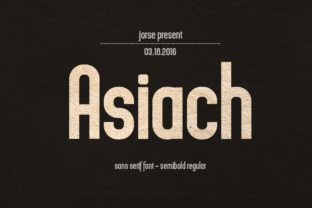
Asiach in Modern Design
Asiach is more than a design element—it's a powerful tool that shapes the visual language of modern graphic design. From branding to digital marketing, its influence is felt across creative industries, offering a fresh perspective on how visuals can communicate ideas effectively.
In an era where first impressions matter, Asiach provides a unique foundation for building strong brand identities. Its versatility allows designers to craft cohesive visual systems that resonate with audiences while maintaining a professional edge. Whether you're working on a logo or a social media campaign, understanding Asiach can elevate your creative output significantly.
Visual Communication and Brand Identity
Asiach plays a crucial role in visual communication by establishing a clear and consistent aesthetic. When integrated into branding efforts, it helps create a recognizable identity that aligns with a company's values and goals. This consistency is essential for building trust and recognition among consumers.
For logo design, Asiach offers a framework for balancing form and function. It ensures that logos are not only visually appealing but also scalable and adaptable across various platforms. This adaptability is key in today’s multi-channel marketing environment, where a logo must perform equally well on a website, a business card, or a mobile app.
Applications Across Creative Fields
Asiach finds practical applications in numerous areas of design:
- Marketing Materials: From brochures to email templates, Asiach ensures a unified look that reinforces brand messaging.
- Social Media Content: It helps maintain a cohesive visual style across platforms, making content more engaging and memorable.
- Website and UI Design: By guiding layout and typography choices, Asiach contributes to a seamless user experience.
Its impact extends beyond digital spaces. In editorial design, packaging, and print materials, Asiach supports the creation of visually compelling content that captures attention and conveys information clearly.
Designing with Purpose
Selecting and using Asiach effectively requires attention to detail and a deep understanding of design principles. Factors such as readability, scalability, and visual hierarchy should guide your choices. A well-structured design system based on Asiach can streamline workflows and improve efficiency.
When working on projects, consider how Asiach interacts with other elements like typography, color, and imagery. These components work together to create a polished and professional result. For instance, a carefully chosen color palette paired with clean typography can enhance the overall appeal of a design.
Consistency is another critical aspect. Ensuring that Asiach remains aligned with existing brand guidelines helps maintain a cohesive look across all touchpoints. This alignment not only strengthens brand recognition but also improves user engagement and loyalty.
Enhancing User Experience
Asiach also plays a vital role in improving user experience. By creating intuitive layouts and clear visual hierarchies, it helps users navigate content more easily. This is especially important in web and UI design, where usability directly impacts customer satisfaction.
Moreover, Asiach supports the development of modern aesthetics that reflect current design trends. Whether you're designing for a tech startup or a traditional business, incorporating Asiach can help you stay relevant and competitive in a rapidly evolving market.
Ultimately, thoughtful design choices rooted in Asiach can transform how brands communicate and connect with their audiences. By focusing on quality creative assets and strategic visual solutions, designers can achieve both aesthetic appeal and functional effectiveness.