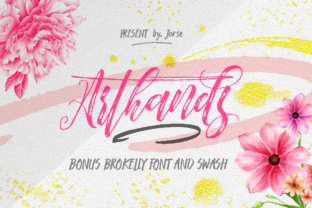
Arthands: A Practical Guide to Making the Right Choices
Arthands has become a popular choice for many adults looking to enhance their creative projects, streamline workflows, or improve their digital presence. Whether you're a beginner exploring new tools or a professional seeking efficiency, understanding Arthands and how to use it effectively is crucial. However, many people overlook key details that can impact their experience, leading to frustration or suboptimal results.
What Is Arthands and Why Does It Matter?
Arthands refers to a set of digital tools, templates, or resources designed to support creative and professional tasks. These might include graphic design elements, content creation kits, or productivity solutions. The appeal of Arthands lies in its versatility, offering users a way to save time, maintain consistency, or elevate the quality of their work.
For professionals, Arthands can be a game-changer. For example, a marketer might use Arthands to create visually appealing social media posts quickly, while a teacher could leverage it to design engaging lesson plans. However, the effectiveness of Arthands depends on how well it's chosen, applied, and maintained.
Common Mistakes When Using Arthands
One of the most frequent errors people make is assuming that all Arthands are created equal. Not every resource fits every need. Choosing the wrong tool can lead to wasted time, poor-quality output, or even increased costs. For instance, using a generic template for a high-stakes project might result in a lack of originality or professionalism.
Another common mistake is not checking compatibility. Many Arthands products are designed for specific platforms or software. If a user downloads an Arthands kit without verifying that it works with their preferred tools, they may face technical hurdles that hinder their workflow.
Some users also skip the learning curve. Arthands often includes features that require a basic understanding of design principles or software functions. Without proper guidance, these tools can feel overwhelming, leading to underutilization or incorrect application.
How These Mistakes Affect Outcomes
Choosing the wrong Arthands can directly impact the quality of your work. For example, a small business owner who uses low-quality Arthands for branding materials might end up with a look that doesn't reflect their brand's values. This can damage customer perception and reduce trust.
Ignoring compatibility issues can also cause delays. Imagine a designer who downloads an Arthands package only to find out it doesn’t support the latest version of their design software. This could force them to spend hours troubleshooting instead of focusing on their project.
Skipping the learning process can lead to missed opportunities. Arthands often includes advanced features that can boost productivity, but without proper knowledge, users may never unlock their full potential. This can result in frustration and a reluctance to use the tool again.
Practical Advice to Avoid Common Pitfalls
The first step in avoiding mistakes is to clearly define your needs. Before downloading or purchasing any Arthands product, ask yourself: What am I trying to achieve? What tools do I already have? What gaps exist in my current workflow?
Researching and comparing options is also essential. Look for reviews, user testimonials, and examples of how others have used Arthands. This can help you identify which tools align best with your goals. For instance, if you’re a blogger looking for Arthands to enhance your website, you might prioritize tools that offer easy customization and responsive design.
Always check compatibility before making a decision. Most Arthands providers list supported platforms or software. If this information isn’t clear, reach out to customer support for clarification. This simple step can save you from future headaches.
Invest time in learning how to use Arthands effectively. Many platforms offer tutorials, guides, or community forums where you can gain insights. For example, if you're using Arthands for graphic design, taking a short course on design fundamentals can help you make better use of the tools at your disposal.
Realistic Examples of Better Choices
Consider a freelance writer who wants to improve their content marketing efforts. Instead of choosing a generic Arthands package, they opt for one specifically tailored to content creators. This choice allows them to access templates for blog posts, email newsletters, and social media graphics—all designed with their niche in mind.
A small business owner might avoid the trap of buying expensive Arthands without testing them first. They choose a free trial or demo version to see how the tools fit into their workflow. This approach helps them make an informed decision without financial risk.
Another example is a teacher who takes the time to learn the basics of Arthands before using it in the classroom. By doing so, they can confidently integrate the tools into lessons, creating more engaging and interactive experiences for students.
What to Check Before Using Arthands
Before diving into any Arthands product, ensure it meets your specific requirements. Check for features like ease of use, scalability, and support options. Also, consider the long-term value—does the tool offer updates, improvements, or community support over time?
Don’t overlook the importance of user experience. A tool that’s difficult to navigate or lacks intuitive controls can slow down your progress. Look for Arthands that provide clear instructions, visual guides, or customer assistance.
Finally, evaluate the cost versus benefit. While some Arthands may seem affordable, hidden fees or limited functionality can add up. Compare pricing models and read the fine print to avoid surprises later on.