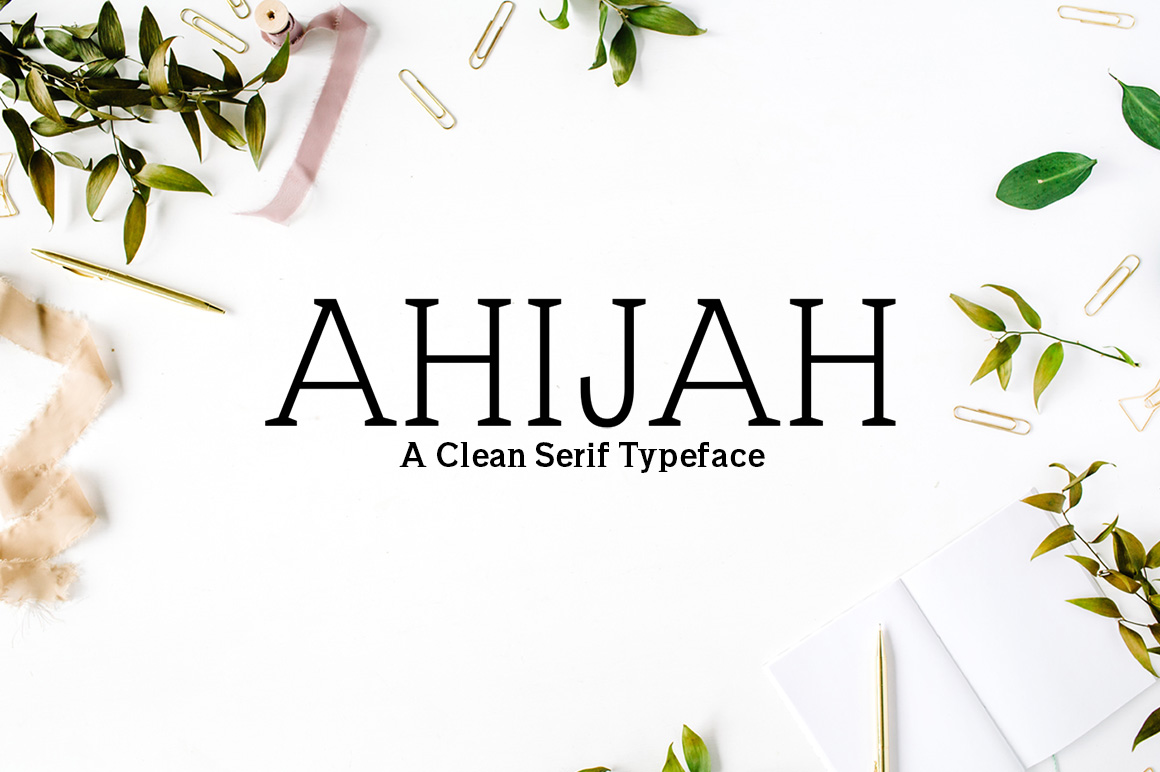
Ahijah and Strategic Brand Design
Building a memorable brand requires more than just a great logo; it demands a cohesive visual language that speaks directly to your audience. This is where understanding the utility of advanced creative resources like Ahijah becomes essential for modern graphic design professionals. By leveraging a well-structured design system, you can establish a powerful brand identity that resonates across every touchpoint, from digital marketing campaigns to packaging design. The right typography choices and color palette create a visual hierarchy that not only looks professional but also enhances communication and user engagement.
Why Ahijah Matters for Your Creative Workflow
In the fast-paced world of visual design, maintaining consistency while meeting tight deadlines is a constant challenge. Ahijah provides a framework that balances aesthetic appeal with practical functionality. It allows designers to focus on the bigger picture—solving brand problems—rather than getting bogged down by repetitive micro-decisions.
Whether you are working on web design, UI design, or editorial design, having a reliable set of creative assets ensures that your projects maintain a high standard of modern aesthetics. This is particularly important for digital marketing and social media graphics, where capturing attention quickly is paramount. A cohesive look builds trust and recognition, which are cornerstones of successful brand communication.
Top Applications for Ahijah in Modern Design
The versatility of a comprehensive design toolkit means it can be adapted to almost any creative project. Here are a few key areas where Ahijah can make a significant impact:
- Branding and Logo Design: Create a foundational identity that is both distinctive and scalable.
- Marketing Collateral: Design brochures, flyers, and email templates that align perfectly with your brand guidelines.
- Social Media Content: Maintain a consistent visual voice across all platforms to boost brand recall.
- Website and UI Design: Improve usability and user experience with clear typographic hierarchy and intuitive navigation.
- Packaging and Print Design: Ensure that your physical products reflect the same quality as your digital presence.
- Presentations and Merchandise: Extend the brand experience into internal communications and promotional items.
Enhancing Visual Communication and UX
At its core, graphic design is about facilitating communication. The structure provided by a powerful design system improves readability and guides the viewer's eye to the most important information. In UX design, this translates to lower friction and a more enjoyable user journey. By using predefined styles for typography, buttons, and layouts, you create a predictable and comfortable environment for the user.
How to Choose the Right Design Assets
Selecting the perfect resources for your project requires a strategic approach. Consider these factors to ensure you are making the best choice for your brand:
- Assess Scalability: Does the design work effectively across different sizes and mediums?
- Prioritize Readability: Is the text legible and accessible to a wide audience?
- Align with Audience: Does the aesthetic match the expectations of your target demographic?
- Check Compatibility: Does it integrate smoothly with your existing brand identity and design workflow?
- Balance Trends and Timelessness: Does it feel fresh today while remaining relevant tomorrow?
Taking the time to evaluate these elements ensures that your investment in creative assets contributes positively to your long-term brand equity. A thoughtful selection process prevents costly redesigns and keeps your brand identity stable.
Integrating into Your Professional Workflow
The best design inspiration is useless without practical application. Start by auditing your current design needs. Where are the gaps in your visual identity? Once identified, you can implement the new system in phases, ensuring a smooth transition. Training your team on the new guidelines or assets is also crucial for maintaining consistency. When everyone speaks the same visual language, the quality of output rises dramatically.
Ultimately, the goal of any designer is to create work that is not only beautiful but also effective. By thoughtfully integrating powerful creative systems into your projects, you elevate your professional presentation and strengthen the connection between the brand and its audience. Investing in quality design assets is an investment in clarity, trust, and lasting impact.